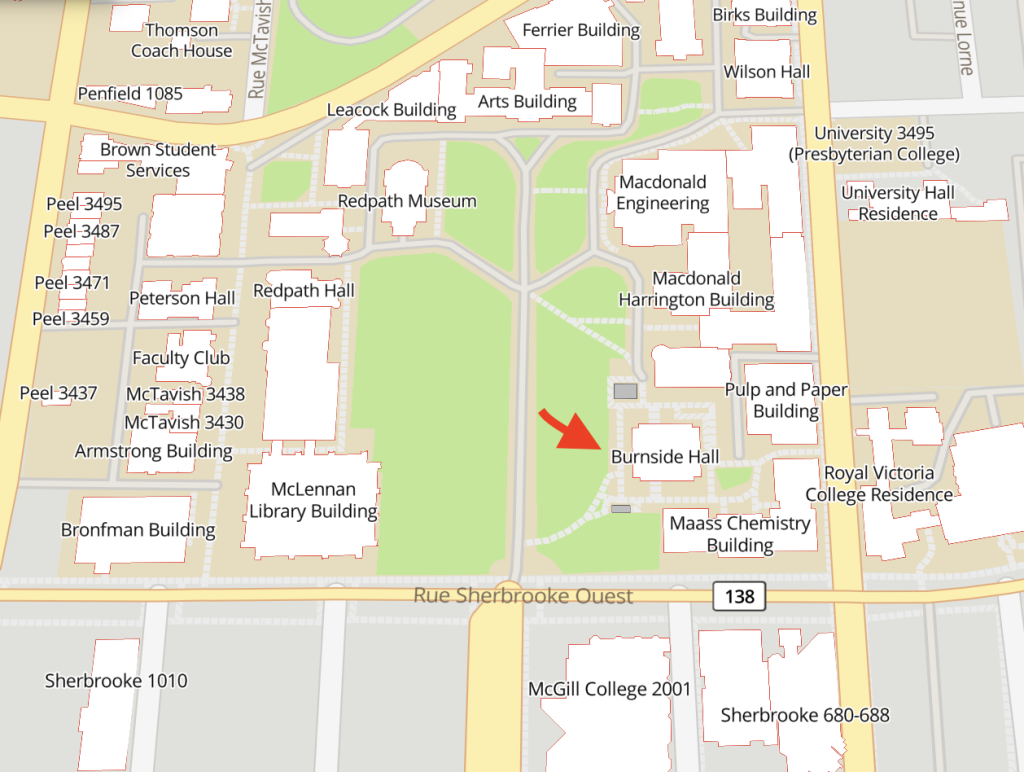

There are many types of accommodations in different price ranges in the vicinity of the meeting venue. Please use your own preferred accommodation booking method.
Getting to Montreal by air
Flights arrive at the the Montréal-Trudeau International Airport (YUL). From the airport you can travel to Montreal by:
1) Taxi
fare to downtown Montréal is about CAD40, payable by cash or credit card, or by
2) STM Public bus
Bus number 747 runs 24 hours per day, 7 days a week between the airport and downtown Montreal. One-way cash fare is CAD10 payable in Canadian coins (no bills) or by fare card, which you can buy at the airport’s international arrivals exit.
Take Bus number 747 and get of at Lionel-Groulx station. Walk 170m to Station Lionel-Grouix departing on Saint-Jacques direction Southwest. Take the orange line, direction Montmorency-Zone-B, to Station Sherbrooke. It’s about a 5 minute walk from the station to Burnside Hall.
To schedule your own trip by public transportation in Montreal, visit https://www.stm.info/en. For a map of the Metro Network click here and for additional information about public transportation go to Getting around in Montreal.
Getting to Montreal by train
If you’re traveling to Montreal from Ottawa, Toronto or beyond, consider taking the train. You’ll arrive in Montreal at Gare Centrale, which is about an 11 minute walk to Burnside Hall.
Getting around in Montreal
Public transportation is an affordable way to get around Montreal. The metro (subway) system is clean, safe and fast. With just four lines connecting the downtown center to major tourist sites, bus stops and train stations it’s an easy way to get around in Montreal. The metro operates daily from 5:30 a.m. to 1 a.m. (1:30 a.m. on Saturdays). The average wait time between trains is eight minutes and three minutes during rush hour.
The OPUS card is a smart card on which you can charge all Zone A (Greater Montréal area) transit fares, with the exception of group fares, which are available only on tickets. More information about public transportation tickets, point of sales, etc. can be found here. Bus and metro route maps are available at https://www.stm.info/en/info/networks/maps
Come experience Montréal like a local by hopping on a bike. Montreal boast more than 700 km of bike paths. You can rent a bike, bringing your own or try out Montréal’s BIXI system, a bike sharing system throughout the city. Visit the Guide to all things biking in Montreal for detailed information about routes, tours, rentals, etc.
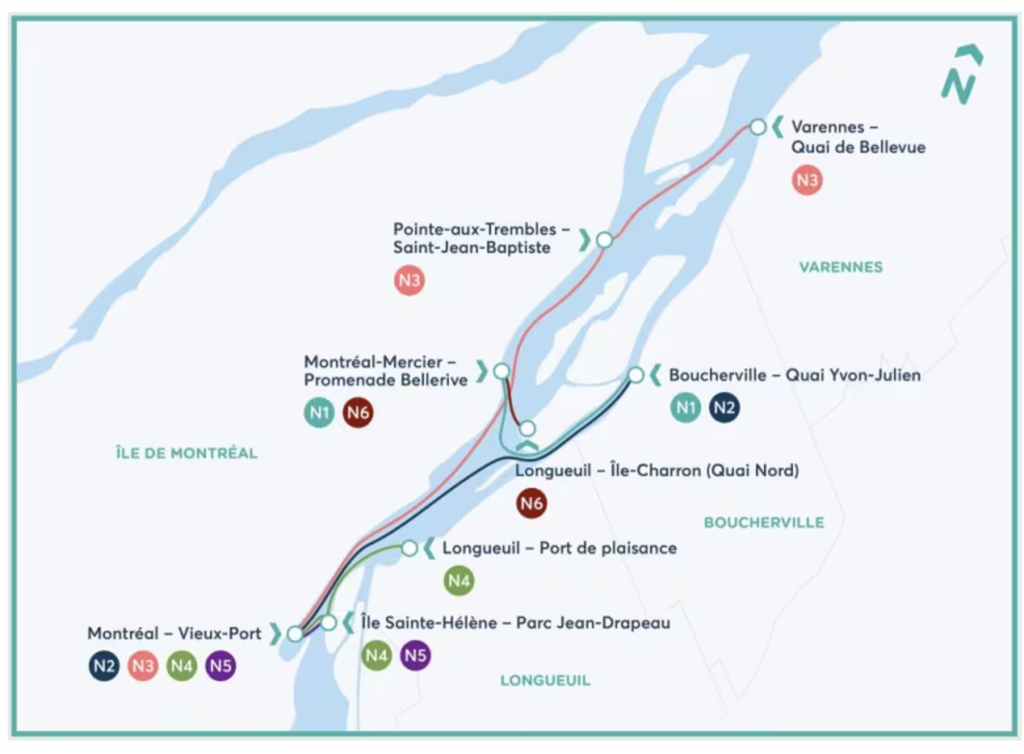
Montréal is an island. Water taxis run between the Old Port of Montréal and Parc Jean-Drapeau, Longueuil, and other points of interest along the St. Lawrence River.
Rideshare with Uber and the traditional taxi cab is available in Montreal.
For detailed information about how to get around in Montreal visit Tourisme Montréal.
Most travelers need a visitor visa or an Electronic Travel Authorization to travel to Canada. You may also need one if you’re transiting through a Canadian airport on your way to your final destination.
The entry document you need depends on:
To find out if and the type of visa you need to travel to Canada, click here.
Call 911 in case of all type of emergencies (health, fire, law enforcement, etc.).
For non-urgent service check out the SPVM website or contact (+1) 514 280-2222 where a police officer can be reached at all times.
Montreal is the largest city of Quebec and second largest city in Canada. Founded in 1642 as Ville-Marie, or “City of Mary”, it is renamed after the triple-peaked Mount Royal around which the early settlement was built. French is the official language in Montreal. Most people are bilingual, however, and speak both English and French. The city is composed of 19 large boroughs and are subdivided in neighborhoods. Downtown, the historic district of Old Montreal, Chinatown, the Gay Village, and other neighborhoods of interest are located in borough Ville-Marie.
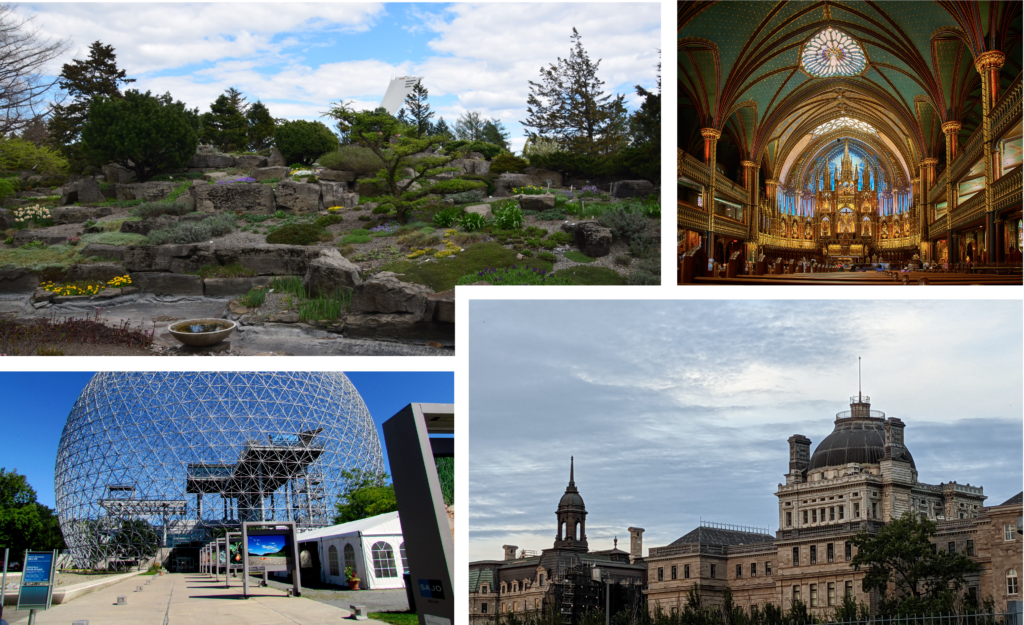
As you can expect from a large and vibrant city, there is a lot to see and do in Montreal. From culture, art to festivals, nature and other recreational activities. Montreal has something for everyone. Just to name a few:
For more ideas and other practical information, visit Montreal Tourism.
Images (left-right; top-down)
Mig Gilbert – Montreal Botanical Gardens
Pedro Szekely – Notre-Dame Basilica
Bobistraveling – Biosphere Montreal
Eden, Janine and Jim – Old Montreal